What Type of Lawyer Do You Need for Your Legal Issue?
Legal issues can arise unexpectedly or develop over time as circumstances change. A disagreement with a neighbor, an injury caused by someone else’s actions, a family transition, or a business decision can all create questions that are difficult to answer without professional guidance. Because laws vary by state and legal matters often involve complicated procedures, finding the right type of legal support can make a significant difference.
Find Legal Representation for Criminal Charges
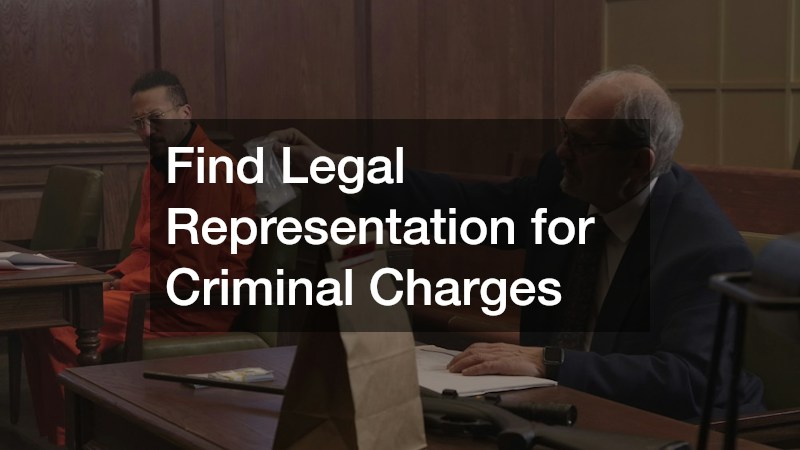
Criminal charges can have serious consequences for a person’s freedom, finances, employment, and future opportunities. If you are accused of committing a crime, understanding the legal process and your available options is important. A criminal law firm can provide representation and guidance throughout the proceedings.
Criminal defense lawyers handle cases involving allegations such as theft, assault, drug offenses, fraud, and other violations of criminal law. Depending on the circumstances, a lawyer may represent a client during an investigation, arraignment, bail hearing, plea negotiations, trial, or sentencing.
One of the first steps in a criminal case is understanding the specific charges and potential penalties. A defense lawyer can review the allegations, examine available evidence, and explain the legal issues involved. They may also identify procedural concerns, challenge evidence when appropriate, and negotiate with prosecutors.
The right legal approach depends on the facts of the case. Some matters may be resolved through a negotiated agreement, while others may proceed to trial. A lawyer can explain the potential advantages and risks of different options.
When choosing a defense firm, consider its experience with cases similar to yours, familiarity with local courts, communication practices, and fee structure. If you have been arrested or believe you are under investigation, seeking legal advice promptly may help protect your rights.
Seek Compensation After an Injury
An unexpected injury can affect nearly every aspect of daily life. Medical expenses, lost income, ongoing treatment, and emotional distress may create significant challenges. When another person’s negligence or wrongful conduct contributes to an injury, the injured individual may have grounds to pursue compensation.
A personal injury attorney assists clients with claims involving accidents and other injuries. Common cases include vehicle collisions, slip-and-fall incidents, workplace-related injuries that fall outside workers’ compensation systems, defective products, and certain medical negligence claims.
To establish a personal injury claim, it may be necessary to demonstrate that another party owed a legal duty, breached that duty, and caused the injury. The specific requirements depend on the applicable law and the type of case.
An attorney can help gather medical records, accident reports, photographs, witness statements, and other evidence. They may also communicate with insurance companies, calculate potential damages, and negotiate a settlement. If a fair resolution cannot be reached, the lawyer may file a lawsuit and represent the client in court.
Compensation may cover medical treatment, lost wages, property damage, pain and suffering, and other losses, depending on the circumstances and applicable law. Deadlines for filing claims vary by jurisdiction, so delaying legal advice could affect available remedies.
Understand Your Rights as a Renter or Property Owner
Housing arrangements can create legal questions involving leases, rent, repairs, security deposits, evictions, and property responsibilities. Both tenants and landlords may benefit from understanding their rights and obligations before a disagreement becomes more serious.
Landlord law generally covers legal matters involving rental housing and the relationship between property owners and tenants. The rules governing these relationships vary considerably by state and local jurisdiction.
Tenants may seek legal guidance when dealing with unsafe living conditions, disputed security deposits, unlawful eviction attempts, privacy concerns, or disagreements over repairs. Landlords may need assistance with lease preparation, rent collection, property maintenance obligations, notices, and eviction procedures.
A lawyer can review a lease and explain the responsibilities of each party. They may also help determine whether a notice complies with applicable requirements or whether a dispute can be resolved through negotiation or mediation.
Documentation is important in housing disputes. Rent receipts, photographs, written communications, inspection records, and copies of the lease may help establish what occurred. Both parties should maintain accurate records and follow applicable procedures.
Before hiring a legal professional, consider whether they primarily represent tenants, landlords, or both. Ask about experience with local housing regulations and the specific type of dispute involved.
Because landlord-tenant rules can differ significantly between jurisdictions, general online information may not answer every question. Local legal guidance can help property owners and renters make informed decisions and avoid unnecessary complications.
Get Legal Help After a Motorcycle Crash

Motorcycle accidents can result in serious injuries, property damage, and complicated insurance claims. Riders may face medical expenses, lost income, rehabilitation costs, and long-term changes to their daily lives. When another driver’s actions contribute to a collision, legal assistance may help an injured rider pursue available compensation.
A motorcycle accident attorney focuses on claims arising from motorcycle crashes. These cases may involve distracted driving, failure to yield, speeding, unsafe lane changes, impaired driving, or other forms of negligence.
Motorcycle accident claims can present unique challenges. Insurance companies may raise questions about visibility, road conditions, protective equipment, or the rider’s actions. A lawyer can review the evidence and help address disputes about fault.
Important evidence may include police reports, medical records, photographs of the scene and vehicles, witness statements, traffic camera footage, and accident reconstruction findings. An attorney may work with relevant professionals to understand how the collision occurred.
Depending on the circumstances, compensation may include medical expenses, lost wages, property damage, pain and suffering, and future care needs. Applicable deadlines and insurance requirements vary by location.
After a crash, obtaining medical attention and documenting the incident can be important. Avoid making statements to an insurance company about fault before understanding your rights. A consultation with a qualified lawyer can help clarify the claims process and potential legal options.
Navigate the Legal Process After a Car Collision
Car accidents are common sources of insurance disputes and personal injury claims. Even a seemingly minor collision can lead to medical bills, vehicle repairs, lost income, or disagreements about responsibility. Understanding the legal process can help people respond more effectively after a crash.
A car accident lawyer assists clients with claims involving vehicle collisions. These cases may involve rear-end crashes, intersection accidents, distracted driving, impaired driving, and collisions caused by unsafe road conditions.
Determining fault is often a central issue. Depending on the jurisdiction, a claim may require evidence that another driver acted negligently or violated a legal duty. Police reports, photographs, witness accounts, medical records, and vehicle damage assessments may help establish what happened.
A lawyer can communicate with insurance companies, review settlement offers, and assess whether a proposed payment adequately addresses the client’s losses. If negotiations fail, the attorney may pursue litigation.
Potential compensation varies by case but may include vehicle repair costs, medical expenses, lost wages, and damages associated with pain and suffering. Some jurisdictions apply specific rules concerning comparative fault, insurance coverage, and filing deadlines.
After a collision, seek medical attention when appropriate, report the accident as required, and preserve relevant documentation. Avoid assuming that an insurance settlement is fair simply because it is offered quickly.
When selecting legal representation, look for experience with similar collisions and knowledge of the applicable state laws. A consultation can help you understand your options before accepting an agreement or pursuing a claim.
Get Guidance Through the Adoption Process
Adoption is a significant legal and personal process that can create a lasting family relationship. Although the experience can be rewarding, prospective parents may need to navigate complex requirements involving eligibility, documentation, consent, background checks, and court approval.
An adoption attorney helps individuals and families understand and complete the legal steps involved in an adoption. Depending on the circumstances, an attorney may assist with private domestic adoption, stepparent adoption, agency adoption, interstate adoption, or other arrangements.
Adoption requirements vary based on the child’s circumstances, the type of adoption, and the applicable state laws. Some cases may involve birth-parent consent, termination of parental rights, home studies, agency coordination, or additional court procedures.
A lawyer can explain the legal process, prepare or review documents, and help identify potential issues before they cause delays. They may also represent prospective parents during hearings and assist with finalization.
Families considering adoption should understand the expected timeline, costs, and responsibilities before beginning the process. It is important to work with professionals who have experience with the particular type of adoption being considered.
Because adoption laws can be complex and vary between jurisdictions, professional legal guidance can help families move through the process with greater clarity. An attorney can explain what is required and help prospective parents make informed decisions throughout the journey.
Protect Your Assets and Plan for the Future

Estate planning allows individuals to make arrangements for their property, finances, health care decisions, and loved ones. Creating a plan in advance can help clarify personal wishes and reduce uncertainty for family members.
An estate planning law firm assists clients with documents and strategies designed to address future needs. Common services may include drafting wills, establishing trusts, preparing powers of attorney, and creating advance health care directives.
A will can identify how certain assets should be distributed after death and may name guardians for minor children. Trusts may serve different purposes, such as managing assets for beneficiaries or addressing specific financial and family circumstances.
Estate planning may also involve reviewing beneficiary designations, considering tax implications, and planning for incapacity. These decisions should reflect the individual’s assets, family situation, and long-term goals.
Life changes can affect an estate plan. Marriage, divorce, the birth of a child, a significant financial change, or the death of a beneficiary may create a reason to review existing documents.
When choosing a legal professional, consider experience with estate planning matters similar to your own. Ask about the documents involved, potential costs, and how often the plan should be reviewed.
A well-considered estate plan can provide greater clarity and help ensure that important decisions are addressed before they become urgent. Professional guidance can also help individuals avoid common drafting and implementation errors.
Defend Yourself Against DWI Charges
Driving while intoxicated or impaired can lead to criminal charges, license-related consequences, fines, and other penalties. If you are accused of driving under the influence of alcohol or drugs, understanding the allegations and responding appropriately can be important.
A dwi attorney represents individuals facing DWI or similar impaired-driving charges. Depending on the jurisdiction, these cases may involve questions about traffic stops, field sobriety tests, chemical testing, arrest procedures, and the accuracy of evidence.
A lawyer can review the circumstances of the stop and arrest, examine available records, and explain the potential consequences of the charge. They may also identify legal issues involving testing procedures or constitutional rights.
The outcome of a DWI case depends on the facts, the applicable law, the defendant’s history, and the available evidence. Some cases may involve negotiations, while others may proceed to a hearing or trial.
In addition to criminal penalties, a DWI charge may affect driving privileges, insurance costs, employment, and professional licensing. A lawyer can explain which consequences may apply and what deadlines must be observed.
When selecting representation, look for experience with impaired-driving cases in the relevant jurisdiction. Ask about the attorney’s approach, fees, and communication practices. Seeking advice promptly can help you understand the next steps and avoid missing important requirements.
Plan for Your Business’s Legal and Financial Future
Starting or expanding a business involves decisions that can affect its finances, operations, and long-term stability. Legal planning can help business owners establish a suitable structure, clarify responsibilities, and prepare for potential challenges.
A business planning attorney assists entrepreneurs and business owners with legal matters related to creating, organizing, and developing a company. Services may include business formation, contract preparation, ownership agreements, compliance planning, and succession considerations.
Choosing a business structure is an important early decision. Sole proprietorships, partnerships, limited liability companies, and corporations have different legal and financial characteristics. A lawyer can explain the general implications of each option and help coordinate the formation process.
Business planning may also involve drafting agreements that clarify ownership interests, decision-making authority, financial contributions, and procedures for resolving disputes. Written contracts can help reduce confusion between business partners, vendors, clients, and employees.
As a company grows, its legal needs may change. Expansion, hiring, financing, mergers, and ownership transfers can create additional requirements. Regular legal reviews can help identify issues before they interfere with business operations.
When choosing an attorney, consider experience with businesses of a similar size and industry. Ask about the services provided, anticipated costs, and how the lawyer can support your company’s future plans.
Legal planning does not eliminate every business risk, but it can help owners make informed decisions and build a more organized foundation for growth.
Get Support During a Divorce or Separation

Divorce and separation can affect finances, housing, parenting arrangements, and other important aspects of life. Because family law matters often involve emotional and practical challenges, professional guidance can help individuals understand their options and responsibilities.
A divorce and separation lawyer assists clients with legal issues related to ending or changing a marital relationship. Depending on the circumstances, services may include divorce filings, property division, spousal support, child custody, child support, and negotiation of settlement agreements.
Divorce laws vary by state. Some jurisdictions use equitable distribution rules for marital property, while others follow community property principles. A lawyer can explain how local law may affect the division of assets and debts.
When children are involved, parenting arrangements and financial support may become central issues. Courts generally consider applicable legal standards when determining custody and support. A lawyer can help parents understand the relevant process and prepare necessary documentation.
Not every divorce requires a courtroom trial. Some couples resolve disputes through negotiation, mediation, or collaborative approaches. Legal representation can help a person understand proposed agreements before signing them.
Important documents may include financial statements, tax records, account information, property records, and communications concerning parenting arrangements. Organizing these materials can help prepare for the legal process.
When choosing a family law attorney, consider experience with cases similar to yours, communication style, and familiarity with local courts. Legal guidance can help you make informed decisions while working toward a practical resolution.
Choosing the right lawyer begins with understanding the nature of your legal issue. Criminal allegations, personal injuries, housing disputes, vehicle accidents, adoption proceedings, estate planning, DWI charges, business decisions, and divorce all involve different laws and procedures. A professional who regularly handles your type of matter may be better positioned to explain the relevant requirements and potential options.
Whether you need assistance with a current dispute or want to prepare for the future, identifying the appropriate legal specialty is a useful first step. With careful research and qualified guidance, you can approach your legal matter with greater clarity and make decisions that support your interests and long-term goals.




Post Comment